As it stands, Western Australia is in the midst of the biggest housing crisis it has ever seen. This may be soft news for anyone in the eastern states, where real estate auctions are about to turn into Planet of the Apes-style battles to the death. But in a city where the regular commute time is 38 minutes, it’s foreshadowing a pretty dire future.
For the past 20 or so years Perth and its surrounding suburbs have been a mess of ad-hoc development that stretches about 100 kilometres north, east and west from the city centre. It’s really less a city and more a federation of cloistered exclaves tied together by public transport system held together by paperclips and duct tape.
A lot of this comes down to Perth’s rapid transformation into a mining mecca, thanks to all those precious red rocks we keep digging up. Within 25 years, a house about 20 minutes outside of the city went from $24-34,000 to more than $300,000. Same house, same property. The explosion in prices has affected basically every suburb surrounding Perth, with coastal areas like Mandurah and Ocean Reef now hosting some of the most expensive real estate in the country. Property owners have had to cling on for dear life as costs in everything – power, water, rates, construction, services – have increased dramatically, putting severe risk on what has long been spruiked as the Australian dream. Rental prices are also through the roof at the moment, with the average low-income earner spending 36 per cent of their wage on rent alone.
There’s a simple solution to this in social housing. Social housing accounts for 3.8 per cent of residences in Australia, compared to 17 per cent in the U.K. When compared to the EU countries – which have relatively similar economies and socioeconomic structures – Australia sits at the tail end of social housing availability. More than 16,000 people are currently on the waiting list. It’s a sad state of affairs that the necessity of social housing has never really been coupled with the Australian identity, centred as it is on pulling up your bootstraps and getting the job done. It’s not just housing either; non-profit programs that are making considerable dents in social issues like drug use and homelessness are falling to the wayside in the never-ending crusade to protect the Not In My Backyard philosophy.
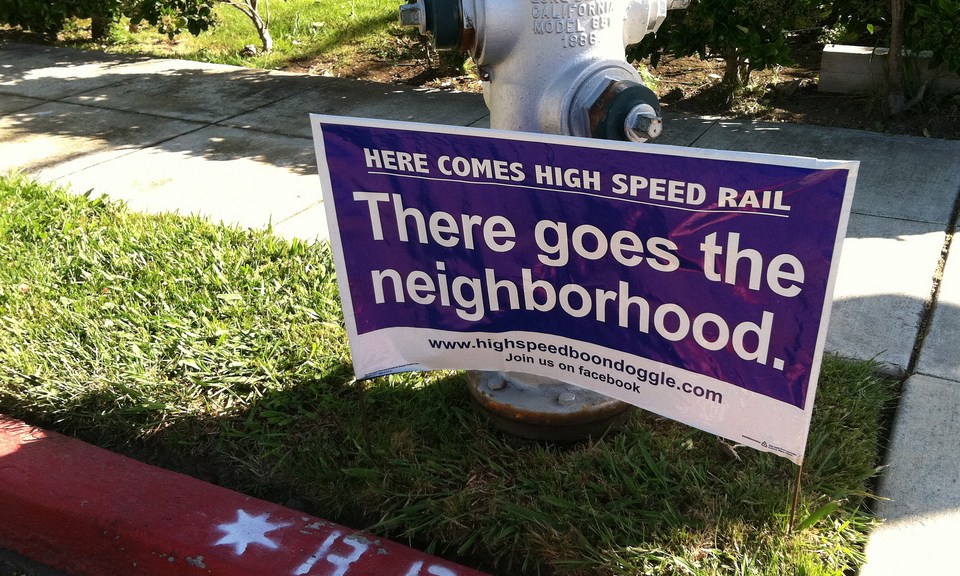
In a speech made last month, Grattan Institute economic policy director Brendan Coates directly blamed NIMBYism for locking younger people out of the housing market through community oppoisiton to high-density housing, amongst other issues.
“The key problem is that many states and local governments restrict medium- and high-density developments to appease local residents concerned about road congestion, parking problems, and damage to neighbourhood character,” he said.
“The politics of land-use planning – what gets built and where – favour those who oppose change. The people who might live in new housing – were it to be built – don’t get a say.”
Mr Coates was also adamant in playing down any rhetoric over immigration affecting housing prices.
“Housing demand from extra immigration shouldn’t lead to higher prices if enough dwellings are built quickly and at low cost,” he said.
“Past episodes of rising housing demand did not see such rapid increases in house prices. Rapid population growth in Australia in the 1950s was matched by record rates of homebuilding. House prices barely moved.
“Similarly, the post-war expansion of mortgage credit in the United States led to more houses but not higher house prices.”
Anglicare WA released their Rental Affordability Snapshot back in April, and it portrayed a dire future for Western Australia’s already struggling housing supply. The number of available rentals across the state is less than half of those in 2020. Anglicare WA CEO Mark Gleeson said at the time there had been a comparable increase in people accessing their Emergency Relief and Food Access Service.
“Across the state, there is not a single property – even a room – affordable to someone on Jobseeker or a Disability Pension,” he said.
“There hasn’t been for several years now – which is shameful for such a wealthy state.
“In the last 12 months, we’ve seen a growing cohort of so-called ‘working poor’ employed in insecure and casualised jobs, and even those working full-time on minimum wage, are struggling to pay the rent and are facing tough choices, such as deciding between food or fuel.
“Less than 50 properties in WA are affordable for an individual on minimum wage according to this year’s Snapshot. That combined with the increased costs of food, utilities and transport, and stagnant wages, is placing intolerable pressure on West Australian households.”
Western Australia’s problems may seem more acute because there’s a smaller population here, but it’s a nationally pervasive issue that has been eroding housing affordability for longer than anyone cares to admit. Mr Gleeson’s view is one shared pretty much unanimously by other housing advocacy groups around the country, as shown by the Productivity Commission’s review on the National Housing and Homelessness Agreement.
The review allowed stakeholders, particularly organisations with interest social housing programs, to comment on the national progress of developing an effective public housing program. The main note is one we all already know: it is becoming impossible for people to either buy or rent houses. Also, the National Housing and Homelessness Agreement is almost completely ineffective. “It is a funding contract, not a blueprint for reform,” the report states. Oh, well.
On the surface the Reserve Bank of Australia and state and federal governments are doing what they can to handle the situation at this stage, with the cash rate increasing constantly since March and numerous housing developments being approved across the country. But rate rises are expected to slow down as the RBA has discovered that wages have done little more than stagnate at around the same level they were pre-pandemic. And with the construction industry as a whole folding into itself over the increased costs, those developments will likely stay developments for a while. It’s all a case of, “We tried to do the thing, but then the other thing happened”.
In reality there has to be a cultural shift away from the growing sentiment that’s always attached to economic downturns: a quiet lean towards self-preservation and distrust. Countless social housing and support programs have been locked in land development battles with local and state councils for years, for various reasons. It’s a quiet tension simmering underneath every suburb in the country, and it needs to be done away with. We need to understand that the old dream of a big house and a big backyard is not tenable. Instead, we should probably be focussing on making sure everyone can at least sleep inside.
 The Red Deaf