Australia’s reactionary media is poisoning our brains and pulling us all away from the real, systemic issues.
There’s a lot of consternation going on across Australia right now. From people calling for Alice Springs to become a rendition of the Somme, to people dreading the end of society because the king’s face won’t be on a unit of currency, to people still seemingly caring about what a bunch of vapid degenerates do on a “dating” based reality TV show, there’s any number of things to get angry at if you want to get angry.
Meanwhile, the country is still managing to slog through the same systemic issues that ironically are being overshadowed by their symptoms. While poverty, homelessness and inaccessibility to healthcare continue to rapidly increase all over the country – especially for Aboriginal people – it’s the minutiae we are being encouraged to focus on. Politicians (mostly of the shiny-headed, “I can see Alice Springs from my Kirribilli mansion” variety) and mass media (mostly of the Murdoch-driven “there is a war outside your front door” variety) are the all-powerful drivers of this anger-inducing content; it is their bread and butter. Sadly, if you’re working for one of the major Australian news outlets, you’re going to get very little hits for publishing a story about how, once again, the welfare system has failed the most vulnerable people in society. But get enough people riled up about a partially-imagined battle zone in the middle of the country, far away from the people who are actually reading the content, and you have yourself a pretty good day of work as far as the powers-that-be are concerned.
Calls for intervention in Alice Springs reek of uninformed, stick-in-the-mud sentiment since they make almost no mention of the causes of the issues, let alone the fact that flying a squadron of army personnel into one Outback town will not solve these issues when they are evident all over Australia. Basically all NewsCorp publications along with the Daily Mail, the Herald and even various left-leaning papers – not to mention every television channel – are raking in the views thanks to coverage of Alice Springs. As actual media hero Tom Tanuki describes here, there is a great deal of hand-wringing driven by the most ephemeral points the media can cling to, and as usual everyone’s arguing over concerns they either don’t fully understand or are not prepared to.
But it’s not just the conservative brain geniuses who are driving confusion by doing their best Helen Lovejoy impression. The reaction to the reaction – the thousands of apparent free-thinkers who all have their own opinions and ideas about how to handle the health and social issues affecting First Nations people – is just as stagnant and undermined by collar-wringing alarm. It’s no accident it ties into the federal Labor government’s attempts to bring Indigenous recognition into law, nor shiny-head-in-chief Peter Dutton’s hollow calls for Albanese to fly to Alice and somehow fix the problems solely through the power of a pristine Akubra. These are things to point to and to get angry at, which on a day-to-day basis are seemingly easier to deal with than entrenched inequality in the systems which run our country.
At the same time the news from the Reserve Bank that King Charles won’t follow his cold-hearted mother’s place onto the five-dollar note is set to kick off yet another culture war, if the majority of Australia’s very yellow newspapers are to be believed. This may be largely due to the Bank’s questionable plans of replacing the royals with some other display of Indigenous pride. Apparently this news is “shocking” to people who still think the world should be run by inbred family dynasties, but on the same turn it will likely become an opportunity for people of all walks of life to exemplify their own bleeding-heart ideals on how we should be helping First Nations people. The fight over a piece of plastic will probably distract us from the real issues. And again there is a deep, painful irony in an institution like the Reserve Bank – an institution which has fundamentally constrained the rights of Indigenous people through socioeconomic inequality – using its own product to display those very same people.
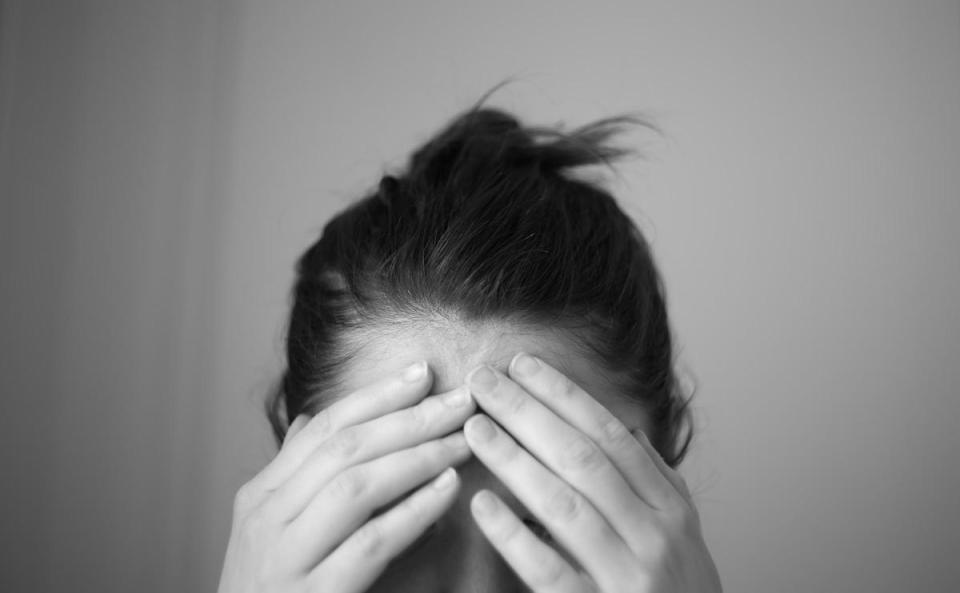
There is no shame in any of this for anyone, though, because this is precisely how it’s designed. We are, and have been for a while now, trapped in an endless cycle of information and content we can barely escape. This should not be news to anyone; there likely isn’t a person alive who owns a phone or a TV or a computer who doesn’t feel the rolling angst of trying to stay up-to-date with whatever the hell is going on. There is an ever-increasing pile of evidence which draws a line between the never-ending news cycle and anxiety, among other mental health issues. A paper published last year in the journal Health Communication expressly states that not only is excessive news consumption a major factor behind ballooning rates of people suffering from mental health issues, but new categories and diagnoses of such are being developed in the face of overwhelming evidence. The effort to fill all of our time with “news” is not only distracting us, it’s poisoning the way we think and in turn making us even more unable to cope with serious social issues. If any of what we see in the media generates fear, anxiety and mistrust – as it clearly does – it would not be too much of a stretch to assume that the degradation of healthy thought processes is inherently a part of it.
Many media platforms, especially of the social variety, have become little more than battlegrounds where everyone gets furious at each other. There’s no more supporting evidence needed for this statement than spending 20 minutes or so on Twitter. In between Elon Musk’s own confusing, stream-of-consciousness tweets are barely-masked attacks against minorities calls of comparative inadequacy from the founder of the 1000th start-up to emerge in the last 24 hours (“Michelangelo sculpted this when he was 23. What have you done with your life? Get up and GRIND!”) and desperate pleas for actual human connection from people who don’t know any other way than using social media.
As far as I can see, this is a perfect storm for people who don’t want the public to know everything. Politics has always been an effort to control what the public knows, and therefore how they react. Over many hundreds of years this effort has become more and more refined, to the point where what is told to the public is often more important than what actually happens. And this goes for both sides of the aisle, so to speak. As previously mentioned, the timing of Peter Dutton’s plea to the Prime Minister over Alice Springs is questionable in the face of the Indigenous Voice to Parliament, as if the opposition is trying to undermine what many believe to be a tangible step in the progression of Indigenous representation. But on the other side members of the Greens are also denouncing the Voice because they claim it will remove Aboriginal sovereignty – despite numerous pieces of evidence detailing how the Voice won’t affect sovereignty at all. The main catalyst of this view, Greens senator Lidia Thorpe, has since changed her position but the damage has already been done – the actual point of the Voice has been marred by confused and pointless debate, and representatives of both the left and right are to blame. By the sounds of it, and as arguably evidenced by the debate on this week’s Q+A, Lidia Thorpe’s opinions on the Voice are as driven by popular reactionism as those of the right. In the end, it will be those conservative arch-thinkers who believe Indigenous Australians get a “free ride” who win if a Voice referendum fails, and meaningful progression towards what people like Thorpe want in the first place – a treaty and, potentially, a republic under which Indigenous Australians receive an equal voice – will be even further away from reality.
The people in positions of power who push their mandated thoughts and policies onto the rest of us didn’t invent the 24-hour news cycle, but they are the main, and maybe only, recipients of any satisfaction from it. I think it’s fair to say that the rest of us would like to see real, actual change in the inequality that is becoming more and more pervasive in our society, be that in healthcare, economic policy, housing or any other number of indicators. But the way in which information is fed to us – largely through media sources who have the same interests as those who form policy – means we almost never have a clear, concise platform from which to address these issues. The teenagers who threw punches at bar patrons in Alice Springs are not wholly emblematic of either Indigenous Australians or the issues they face; they are a single facet of the definite, pervasive consequences of decades of racism, inequity and systemic negligence. Yet the media will continue to try and convince us that we can clean up the whole mess by sending in a few guys with big guns. It happened in 2007, and it may very well happen again. Until we can break free from the trap of reactionary media, the cycle will continue.
 The Red Deaf